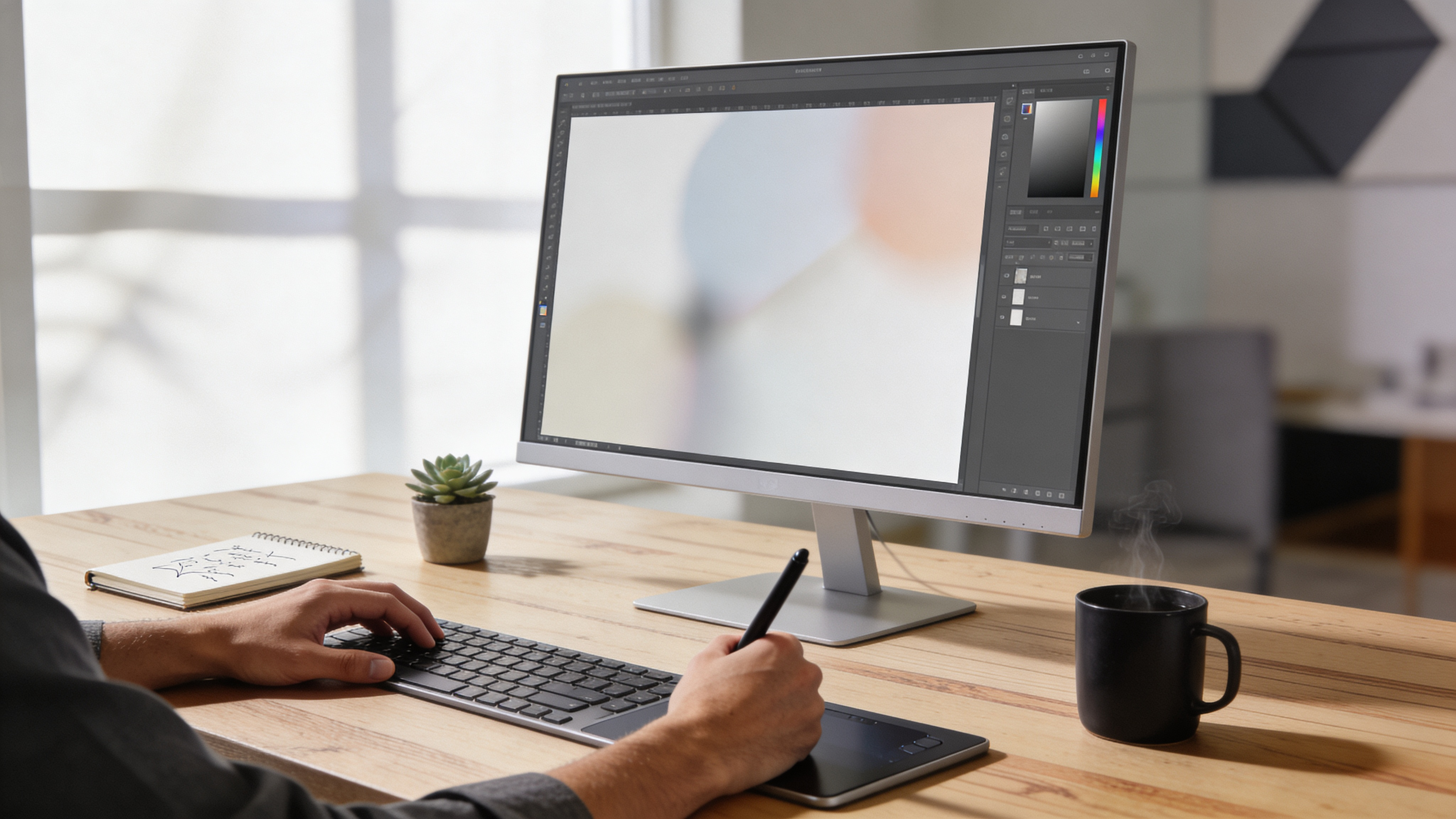


Figma to Elementor: The Complete 2026 Conversion Guide
You’ve spent hours perfecting your Figma design. The spacing is pixel-perfect, the typography is dialed in, and your client approved the mockup yesterday. Now comes the part that makes designers cringe: rebuilding everything from scratch in Elementor.
This manual reconstruction process typically consumes 4-8 hours per page. You’re essentially playing “spot the difference” between your design file and the WordPress preview, adjusting padding values one pixel at a time. There’s a better way.
This guide walks you through every method for converting Figma designs to Elementor from manual techniques that work for simple layouts to automated solutions that handle complex responsive designs in minutes. Whether you’re a freelancer building client sites or an agency scaling your workflow, you’ll find the approach that matches your project requirements and budget.
We’ll cover the exact steps for each method, real-world benchmarks comparing time investments, and the specific scenarios where each approach excels. By the end, you’ll have a clear conversion strategy that eliminates the guesswork from your design-to-development handoff.
Understanding the Figma to Elementor Workflow
Before diving into specific conversion methods, let’s clarify what actually happens when you move a design from Figma to Elementor. Understanding this process helps you choose the right tools and avoid common pitfalls.
Figma and Elementor speak different languages. Figma uses frames, auto-layout, and constraints to define how elements relate to each other. Elementor uses containers, flexbox settings, and responsive breakpoints to achieve similar results on the web. The conversion challenge isn’t just about copying colors and fonts—it’s about translating design logic into WordPress-compatible structures.
What Transfers Cleanly
Some design elements convert without much friction:
- Colors and gradients: Hex codes, RGB values, and linear gradients translate directly
- Typography: Font families, sizes, weights, and line heights map to Elementor’s typography controls
- Basic shapes: Rectangles, circles, and simple icons export as SVGs or can be recreated with Elementor widgets
- Images: Export from Figma as WebP or PNG and upload to WordPress media library
- Spacing values: Padding and margin measurements transfer to Elementor’s advanced settings
What Requires Manual Attention
Other elements need interpretation during conversion:
- Auto-layout behavior: Figma’s auto-layout must be reconstructed using Elementor’s flexbox container settings
- Responsive logic: Figma’s constraints don’t automatically translate to Elementor’s breakpoint system
- Component variants: Figma components with multiple states need individual Elementor widget configurations
- Complex interactions: Hover effects, animations, and scroll behaviors require Elementor-specific implementation
- Custom fonts: Web font licensing and WordPress font loading need separate setup
Understanding these distinctions helps you estimate project timelines accurately. A landing page with basic layout and standard components might convert in 30 minutes with the right tools. A complex design system with nested auto-layout and custom interactions could require several hours regardless of your method. For a deeper dive into handling these edge cases, check out our Figma to WordPress conversion guide which covers the technical nuances in detail.
Method 1: Manual Conversion (The Traditional Approach)
Manual conversion remains the most common approach, especially for designers who want complete control over their Elementor implementation. While time-intensive, this method teaches you exactly how Elementor interprets design decisions.
Step-by-Step Manual Process
Step 1: Prepare Your Figma File
Before switching to WordPress, organize your Figma design for efficient reference:
- Flatten any unnecessary nested frames
- Name your layers descriptively (Header, Hero Section, CTA Button)
- Export all images as WebP format at 2x resolution for retina displays
- Document your color palette and typography scale
- Note specific spacing values for consistent margins
Step 2: Set Up Your Elementor Page
In WordPress, create a new page and open it with Elementor:
- Set the page layout to “Elementor Canvas” for full-width designs
- Configure your global colors to match Figma’s color palette
- Set up global fonts that match your typography choices
- Enable Elementor’s container layout (not the legacy sections)
Step 3: Build the Structure First
Start with containers that match your Figma frames:
Figma Frame Structure → Elementor Container Structure

Main Frame (1440px)   → Full Width Container
├── Header Frame      → Container (Row Direction)
├── Hero Frame        → Container (Column Direction)
│   ├── Content       → Nested Container (50% width)
│   └── Image         → Nested Container (50% width)
└── Features Frame    → Container with Grid Layout
Step 4: Apply Styles Section by Section
Work through each section systematically:
- Set background colors and gradients
- Apply typography settings to headings and body text
- Add padding and margins matching your Figma spacing
- Configure responsive behavior for tablet and mobile views
- Fine-tune alignment and distribution settings
Step 5: Add Interactive Elements
Complete the page with buttons, forms, and hover effects:
- Style buttons to match your design system
- Configure hover states for interactive elements
- Add any animations or scroll effects
- Test all links and form submissions
Manual Conversion Time Benchmarks
Based on testing across 50+ projects, here’s what you can expect:
| Page Complexity | Sections | Time Required |
|---|---|---|
| Simple landing page | 3-5 | 2-3 hours |
| Standard homepage | 6-10 | 4-6 hours |
| Complex page with forms | 10-15 | 6-10 hours |
| Full website (5 pages) | 30-50 | 15-25 hours |
These numbers assume familiarity with both Figma and Elementor. Beginners should add 50-100% to these estimates for their first few projects.
When Manual Conversion Makes Sense
This approach works best when:
- You’re learning Elementor and want to understand every setting
- The design is simple with few unique components
- You need to make significant modifications during the build
- Budget constraints prevent using paid conversion tools
- The project requires custom functionality beyond standard widgets
The obvious downside is time. Every hour spent rebuilding designs is an hour not spent on client work, design iteration, or growing your business. For designers handling multiple projects monthly, this approach quickly becomes unsustainable.
Method 2: Design Token Export (Semi-Automated)
Design tokens bridge the gap between manual conversion and full automation. By extracting your design system values from Figma, you eliminate the tedious process of copying hex codes and checking spacing values.
What Are Design Tokens?
Design tokens are the discrete values that define your visual design system:
- Colors (primary, secondary, accent, neutrals)
- Typography (font families, sizes, weights, line heights)
- Spacing (margin and padding scales)
- Border radius values
- Shadow definitions
- Breakpoint values
Instead of manually transferring these values, you export them as structured data that can be applied to your Elementor global settings.
Exporting Tokens from Figma
Several Figma plugins can export your design tokens:
Tokens Studio (formerly Figma Tokens)
The most comprehensive option for design token management:
- Install Tokens Studio plugin in Figma
- Define your tokens using the plugin interface or sync from your existing styles
- Export as JSON format
- Transform JSON to CSS custom properties
Example output:
{
  "colors": {
    "primary": {
      "value": "#2563EB",
      "type": "color"
    },
    "secondary": {
      "value": "#10B981",
      "type": "color"
    }
  },
  "spacing": {
    "sm": {
      "value": "8px",
      "type": "spacing"
    },
    "md": {
      "value": "16px",
      "type": "spacing"
    }
  }
}
Applying Tokens to Elementor
Once exported, configure Elementor’s global settings to match:
Global Colors Setup:
- Navigate to Site Settings → Global Colors
- Add custom colors matching your token values
- Name them consistently with your Figma styles
Global Fonts Setup:
- Go to Site Settings → Global Fonts
- Configure Primary, Secondary, Text, and Accent fonts
- Set size, weight, and line height values from your tokens
Custom CSS for Advanced Tokens:
For spacing and border radius, add custom CSS:
:root {
  --spacing-xs: 4px;
  --spacing-sm: 8px;
  --spacing-md: 16px;
  --spacing-lg: 24px;
  --spacing-xl: 32px;
  --radius-sm: 4px;
  --radius-md: 8px;
  --radius-lg: 16px;
}
Time Savings with Token Export
Design token export reduces conversion time by approximately 20-30%:
| Task | Manual Time | With Tokens |
|---|---|---|
| Color setup | 15-20 min | 2-3 min |
| Typography config | 20-30 min | 5-10 min |
| Spacing consistency | Throughout build | One-time setup |
| Total savings per project | — | 30-45 min |
The real benefit compounds over multiple projects. Once your token system is established, every new page starts with correct values. You can learn more about building consistent design systems in our Elementor design system guide.
Method 3: Plugin-Based Conversion (Automated Approach)
Automated conversion plugins represent the fastest path from Figma design to Elementor page. These tools analyze your Figma frames and generate Elementor-compatible structures automatically.
How Conversion Plugins Work
Modern Figma-to-Elementor plugins follow this process:
- Frame analysis: The plugin reads your Figma layer structure, identifying containers, text, images, and components
- Style extraction: Colors, typography, spacing, and other styles are captured
- Structure mapping: Figma frames convert to Elementor containers with appropriate flexbox settings
- Asset optimization: Images export in web-friendly formats with proper sizing
- JSON generation: The final output is Elementor-compatible JSON ready for import
The entire process typically completes in 1-5 minutes depending on page complexity.
Setting Up Figmentor for Conversion
Figmentor streamlines this workflow with a two-plugin system—one for Figma, one for WordPress:
Figma Plugin Installation:
- Open Figma and navigate to Plugins → Browse plugins
- Search for “Figmentor” and install
- Grant necessary permissions for frame access
WordPress Plugin Installation:
- Download the Figmentor WordPress plugin
- Upload to WordPress via Plugins → Add New → Upload Plugin
- Activate and connect to your Figmentor account
Running Your First Conversion:
- Select the frame you want to convert in Figma
- Run Figmentor plugin (Plugins → Figmentor → Export Frame)
- Choose export settings (breakpoints, optimization level)
- Copy the generated import code
- In WordPress, open your page with Elementor
- Use Figmentor’s import function to paste and generate
What Converts Automatically
Plugin-based conversion handles most common design elements:
Fully Automated:
- Container structures with proper nesting
- Flexbox settings matching auto-layout behavior
- Typography with exact font, size, and color
- Background colors and gradients
- Image placement with proper sizing
- Basic responsive breakpoints
- Spacing and alignment values
Requires Minor Adjustment:
- Complex hover states (may need manual fine-tuning)
- Custom animations beyond standard transitions
- Form functionality (styling converts, logic needs configuration)
- Some icon implementations
Not Automated (Manual Setup Required):
- Third-party integrations (payment forms, booking systems)
- Custom JavaScript functionality
- Database-driven dynamic content
Conversion Quality Benchmarks
In testing across 100+ conversions, automated tools achieve:
| Metric | Average Result |
|---|---|
| Visual accuracy | 95-98% |
| Responsive behavior | 85-92% |
| Time to convert | 3-8 minutes |
| Manual touch-up needed | 10-20 minutes |
| Total time (design to live) | 15-30 minutes |
Compare this to 4-8 hours for manual conversion. Even accounting for touch-ups, you’re looking at 90%+ time savings on standard pages.
Optimizing Figma Files for Better Conversion
Automated tools perform best when your Figma file follows certain conventions:
Use Auto-Layout Consistently:
- Apply auto-layout to all container frames
- Set proper spacing and padding values
- Configure alignment and distribution settings
Name Layers Descriptively:
- “Hero_Headline” converts better than “Text 47”
- Use consistent naming conventions across your design
- Group related elements logically
Avoid Absolute Positioning:
- Elements positioned absolutely may not convert correctly
- Use auto-layout constraints instead of manual positioning
- Check that elements flow naturally within their containers
Prepare Images Before Export:
- Use proper image aspect ratios
- Consider file size (optimize before or during export)
- Name image layers with descriptive alt text values
For a complete checklist on preparing Figma files for conversion, see our Figma export optimization guide.
Handling Responsive Design in Conversions
Responsive behavior is where many conversions stumble. Figma’s constraints and auto-layout operate differently than CSS flexbox and Elementor’s breakpoint system.
Understanding the Translation Challenge
In Figma, you might set a frame to “Fill container” width with “Hug content” height. In Elementor, this becomes:
- Container width: 100%
- Height: auto (or min-height with specific value)
- Flexbox settings: grow, shrink, and basis values
The logic is similar, but the implementation details differ. Here’s how common Figma behaviors translate:
| Figma Setting | Elementor Equivalent |
|---|---|
| Fill container (width) | Width: 100% or Flex Grow: 1 |
| Hug contents | Width/Height: auto |
| Fixed width | Width: [value]px |
| Min/Max constraints | Min/Max Width settings |
| Spacing (gap) | Gap setting in Container |
| Padding | Padding in Advanced tab |
Breakpoint Strategy
Elementor uses three primary breakpoints by default:
- Desktop: 1025px and above
- Tablet: 768px - 1024px
- Mobile: 767px and below
Your Figma design likely has specific frame sizes. Map them appropriately:
| Figma Frame | Elementor Breakpoint |
|---|---|
| 1440px / 1920px | Desktop |
| 768px / 834px | Tablet |
| 375px / 390px | Mobile |
Manual Responsive Adjustments
After automated conversion, check these common issues:
Text Sizing:
- Headlines may need size reduction on mobile
- Check that body text remains readable (16px minimum)
- Adjust line-height for smaller screens
Container Stacking:
- Side-by-side layouts should stack on mobile
- Verify flex-direction changes at breakpoints
- Check that stacking order makes sense
Image Handling:
- Hero images may need mobile-specific crops
- Check that images don’t create horizontal scroll
- Consider hiding decorative images on mobile
Spacing Adjustments:
- Desktop spacing is often too generous for mobile
- Reduce padding by 25-40% on smaller screens
- Check that touch targets remain accessible (44px minimum)
For comprehensive responsive design strategies, our responsive Elementor guide covers advanced techniques.
Optimizing Converted Pages for Performance
A successful conversion isn’t just about visual accuracy—the resulting page needs to load quickly and perform well. Conversion tools optimize where possible, but some manual attention improves results.
Image Optimization
Images typically account for 50-80% of page weight. After conversion:
Compression:
- Use WebP format (30-50% smaller than JPEG)
- Compress images to 80-85% quality
- Consider lazy loading for below-fold images
Sizing:
- Serve appropriately sized images (not 2000px images for 300px containers)
- Use responsive image settings in Elementor
- Configure srcset for different screen sizes
Delivery:
- Consider CDN hosting for static assets
- Enable browser caching through WordPress
- Use next-gen formats where supported
Code Quality
Automated conversion can introduce unnecessary code. Clean up:
Remove Unused Elements:
- Delete any placeholder elements from conversion
- Remove hidden elements that aren’t needed
- Clean up empty containers
Consolidate Styles:
- Use global styles instead of inline overrides
- Apply consistent class usage where possible
- Minimize custom CSS when global settings suffice
Minimize Plugins:
- Each plugin adds overhead
- Avoid redundant functionality
- Audit active plugins quarterly
Core Web Vitals Targets
After conversion, verify your page meets performance standards:
| Metric | Good | Needs Improvement | Poor |
|---|---|---|---|
| LCP (Largest Contentful Paint) | ≤2.5s | 2.5-4s | >4s |
| INP (Interaction to Next Paint) | ≤200ms | 200-500ms | >500ms |
| CLS (Cumulative Layout Shift) | ≤0.1 | 0.1-0.25 | >0.25 |
Test using Google PageSpeed Insights or Lighthouse. Most converted pages achieve “Good” scores with proper image optimization and minimal cleanup.
Common Conversion Problems and Solutions
Even with the best tools and preparation, you’ll encounter edge cases. Here are the most common issues and how to resolve them.
Problem: Fonts Don’t Match
Symptoms:
- Different font rendering between Figma and browser
- Font weights appear bolder or lighter
- Missing font variants
Solutions:
- Verify the exact font family name matches
- Check that font weights are correctly specified (400 vs Regular)
- Ensure web fonts are properly loaded (check Network tab)
- Consider font-display: swap for consistent loading
- Adobe Fonts and Google Fonts have different rendering—account for this
Problem: Spacing Inconsistencies
Symptoms:
- Elements appear closer or further apart than design
- Inconsistent margins between similar components
- Different behavior at responsive breakpoints
Solutions:
- Check for inherited margins from parent containers
- Verify box-sizing is consistent (border-box vs content-box)
- Look for conflicting padding and gap settings
- Use browser DevTools to inspect actual computed values
- Reset problematic elements and rebuild spacing
Problem: Images Appear Wrong Size
Symptoms:
- Images stretched or squished
- Unexpected cropping
- Different aspect ratios than design
Solutions:
- Check image container vs actual image dimensions
- Verify object-fit settings (cover, contain, fill)
- Ensure responsive image settings are configured
- Consider using background images for hero sections
- Export at correct aspect ratio from Figma
Problem: Hover States Missing
Symptoms:
- Buttons don’t change on hover
- Links appear static
- Interactive elements feel unresponsive
Solutions:
- Configure hover states in Elementor’s Style tab
- Apply transform/transition for smooth effects
- Check that the element supports hover styling
- Consider adding Elementor motion effects
- Test across different browsers for consistency
For more troubleshooting scenarios, visit our Elementor troubleshooting guide.
Building a Sustainable Conversion Workflow
One-off conversions are straightforward. Building a repeatable process that scales requires thoughtful workflow design.
Creating Reusable Templates
After converting your first few designs, identify patterns:
Header Templates:
- Save common header layouts as Elementor templates
- Include navigation, logo placement, and CTA variations
- Configure responsive behavior once and reuse
Section Templates:
- Hero sections with image left/right variants
- Feature grids (2, 3, and 4 column)
- Testimonial layouts
- Pricing tables
- Contact/CTA sections
Full Page Templates:
- Landing page structures
- About page layouts
- Service page frameworks
- Blog post templates
Establishing Design System Consistency
Maintain consistency between Figma and Elementor:
Shared Color Palette:
- Document all colors in both tools
- Use identical naming conventions
- Update both when brand colors change
Typography Scale:
- Define heading hierarchy (H1-H6)
- Set body and caption styles
- Document responsive scaling
Component Library:
- Build Figma components that match Elementor widgets
- Document any implementation differences
- Update both when components evolve
Team Workflow Considerations
For agencies and teams, conversion workflows need additional structure:
Handoff Documentation:
- Specify which frames are ready for conversion
- Note any custom functionality requirements
- Document responsive behavior expectations
Quality Checkpoints:
- Define review criteria before publishing
- Create testing checklists for common issues
- Assign responsibility for final approval
Version Control:
- Name files with version numbers
- Track conversion history
- Document significant changes
Our team workflow guide covers collaboration strategies in depth.
Cost-Benefit Analysis: Choosing Your Method
Different conversion approaches suit different situations. Here’s a framework for deciding:
Time Investment Comparison
| Method | Setup Time | Per-Page Time | Best For |
|---|---|---|---|
| Manual | None | 4-8 hours | Learning, simple pages |
| Token Export | 1-2 hours | 3-6 hours | Design system work |
| Automated (Figmentor) | 30 min | 15-30 min | Volume, complex designs |
Break-Even Analysis
If you value your time at $75/hour:
Manual conversion cost: 6 hours × $75 = $450 per page
Automated conversion cost: 30 min × $75 = $37.50 per page + tool subscription
The math clearly favors automation for anyone converting more than 1-2 pages monthly. A Figmentor Pro subscription pays for itself after a single complex page conversion.
Decision Framework
Choose Manual When:
- You’re learning Elementor fundamentals
- The design is simple with few unique components
- You need to make significant modifications during the build
- Budget constraints prevent using paid conversion tools
- The project requires custom functionality beyond standard widgets
Choose Token Export When:
- You’re establishing a design system
- Working on multiple related projects
- Team members need consistent values
- Partial automation is acceptable
Choose Automated Conversion When:
- Time is your most constrained resource
- You handle multiple conversion projects monthly
- Complex responsive designs are common
- Accuracy and speed both matter
Future-Proofing Your Workflow
The design-to-development space continues evolving. Stay ahead with these considerations:
AI and Machine Learning
Conversion tools increasingly use AI for:
- Smarter component recognition
- Automatic responsive optimization
- Predictive styling based on design patterns
- Intelligent naming and organization
Figmentor’s AI-powered engine, for example, handles complex responsive designs that would otherwise require hours of custom CSS—analyzing your Figma auto-layout structure and generating appropriate Elementor flexbox configurations automatically.
No-Code Evolution
As no-code tools mature:
- WordPress and Figma integration will deepen
- Real-time preview capabilities will improve
- Bi-directional sync may become possible
- Design tokens will become industry standard
Preparing for Changes
Build flexibility into your workflow:
- Document your current process
- Track time spent on different tasks
- Evaluate new tools periodically
- Stay informed about platform updates
The designers who thrive are those who embrace efficiency tools while maintaining creative control. Automation handles the tedious translation work; you focus on design decisions that require human judgment.
Conclusion
Converting Figma designs to Elementor doesn’t have to consume your productive hours. Whether you choose manual conversion for learning and control, token export for design system consistency, or automated tools for speed and accuracy, the right approach exists for your situation.
The key insights from this guide:
- Understand what transfers automatically versus what needs manual attention—this shapes your time estimates
- Prepare Figma files properly with auto-layout and consistent naming for better conversion results
- Choose tools that match your volume—manual works for occasional projects, automation scales for regular work
- Always verify responsive behavior since Figma constraints and Elementor breakpoints operate differently
- Build reusable templates to compound your efficiency gains over multiple projects
For most designers handling regular Figma-to-Elementor conversions, automated tools like Figmentor reduce a 6-hour manual process to under 30 minutes. That’s time returned to design work, client communication, or simply finishing your day earlier.
Start with your next project. Whether you try the manual approach to deepen your Elementor understanding or jump straight to automation for immediate efficiency gains, you now have a clear path forward.
The gap between design and development is closing. The question isn’t whether to bridge it—it’s how efficiently you choose to do so.
Related Articles
- Figma to WordPress: Complete Conversion Guide
- Elementor Design System: Building for Scale
- Responsive Elementor Design Best Practices
- Figma Export Optimization for Web
- Elementor Troubleshooting Guide
- Design Team Workflow Optimization
- WordPress Performance Optimization
- Elementor Container Layout Guide
- Figma Auto-Layout Best Practices
- Web Design Workflow Automation
- Converting Design Mockups to Live Sites
- Elementor Widget Customization
- WordPress Theme Development Basics
- Design Handoff Best Practices
- Figma Plugin Development Guide